
Discover the Hypoallergenic Dog Advantages: Why They Make Wonderful Companions
- Debbie Johnson
- Apr 8
- 4 min read

Welcoming a dog into your home is a joyful experience filled with wagging tails, playful barks, and unconditional love. But for many, allergies can make this dream seem out of reach. That’s where hypoallergenic dogs come in! These special breeds offer a fantastic way to enjoy the warmth and companionship of a furry friend without the sneezing and itchy eyes. Let’s explore the hypoallergenic dog advantages and why they might be the perfect addition to your family.
Understanding Hypoallergenic Dog Advantages
Hypoallergenic dogs are breeds that tend to produce fewer allergens than others. Allergens are tiny proteins found in a dog’s skin cells, saliva, and urine that can trigger allergic reactions. While no dog is 100% allergy-proof, hypoallergenic breeds shed less hair and dander, which means fewer allergens spread around your home.
Here are some key advantages of choosing a hypoallergenic dog:
Reduced Allergic Reactions: These dogs minimize allergy symptoms, making it easier for sensitive individuals to live comfortably.
Less Shedding: Hypoallergenic breeds often have hair that grows continuously, similar to human hair, which means less fur on your furniture and clothes.
Easier Grooming: Many hypoallergenic dogs require regular grooming, which helps keep allergens under control.
Great for Families: Their friendly and gentle nature makes them wonderful companions for children and adults alike.
For example, Mini Bernedoodles, a popular hypoallergenic mix, combine the best traits of Bernese Mountain Dogs and Poodles. They are known for their affectionate temperament and low-shedding coats, making them a fantastic choice for families seeking a loving, allergy-friendly pet.

What Makes Hypoallergenic Dogs Special?
The secret behind hypoallergenic dogs lies in their coat type and grooming needs. Unlike many breeds that shed heavily, hypoallergenic dogs have hair that grows continuously and falls out less frequently. This means fewer allergens are released into the environment.
Here’s what sets them apart:
Coat Type: Their curly or wavy coats trap dander and loose hair, preventing it from spreading.
Regular Grooming: Frequent brushing and professional grooming help remove dead hair and dander.
Size and Activity: Many hypoallergenic breeds are small to medium-sized, making them easier to manage indoors.
Choosing a hypoallergenic dog also encourages a healthier lifestyle. These dogs often enjoy daily walks and playtime, which can motivate you to stay active and enjoy the outdoors together.
If you’re considering a hypoallergenic dog, it’s important to spend time with the breed beforehand. This helps ensure your allergies won’t flare up and that the dog’s personality fits your lifestyle.
Which Dogs Do Vets Not Recommend?
While hypoallergenic dogs are a great option for allergy sufferers, some breeds may not be the best fit for every family. Vets often advise against certain dogs for various reasons, including health concerns, temperament, or care requirements.
Here are a few examples of dogs vets might not recommend for families seeking low-maintenance or allergy-friendly pets:
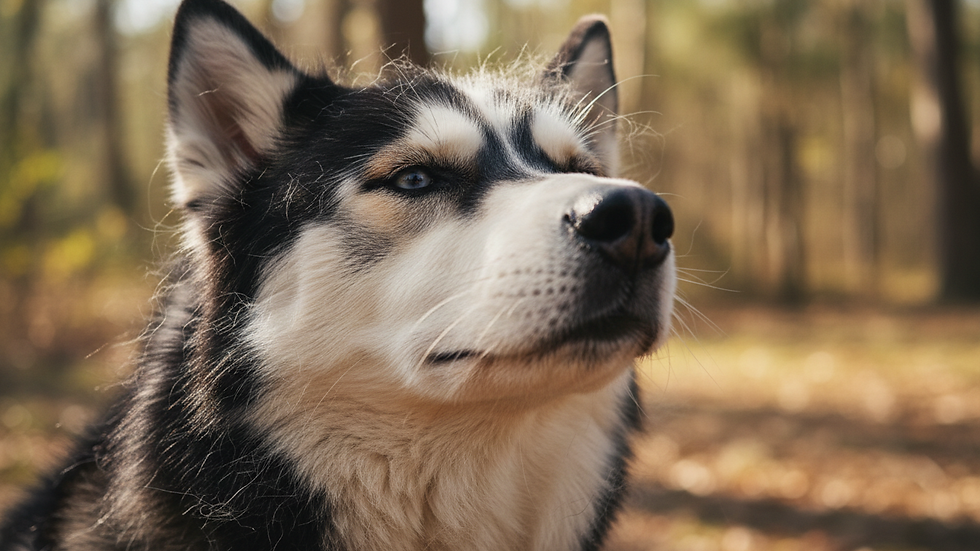
Heavy Shedders: Breeds like Golden Retrievers and Siberian Huskies shed a lot, which can worsen allergies.
High-Energy Dogs: Some breeds require extensive exercise and mental stimulation, which might be challenging for busy households.
Health-Prone Breeds: Dogs with known genetic health issues may require costly veterinary care and special attention.
It’s always a good idea to consult with a veterinarian or a reputable breeder to find a dog that matches your family’s needs and lifestyle. This ensures a happy, healthy relationship for both you and your new furry friend.
How to Care for Your Hypoallergenic Dog
Owning a hypoallergenic dog comes with responsibilities that help maintain their health and minimize allergens in your home. Here are some practical tips to keep your pup happy and your allergies in check:
Regular Grooming: Brush your dog’s coat several times a week to remove loose hair and dander. Schedule professional grooming every 6-8 weeks.
Bathing: Give your dog a bath every 3-4 weeks using a gentle, hypoallergenic shampoo to reduce allergens.
Clean Living Spaces: Vacuum frequently with a HEPA filter vacuum and wash your dog’s bedding regularly.
Air Quality: Use air purifiers to help remove airborne allergens.
Hand Washing: Always wash your hands after playing or petting your dog to avoid transferring allergens to your face.
By following these steps, you can enjoy the companionship of your hypoallergenic dog while keeping your home fresh and allergy-friendly.
Why Mini Bernedoodles Are a Top Choice
Among hypoallergenic breeds, Mini Bernedoodles stand out for their loving nature and adaptability. These dogs are a cross between the Bernese Mountain Dog and the Poodle, combining intelligence, gentleness, and a low-shedding coat.
Here’s why Mini Bernedoodles are a fantastic choice:
Friendly Temperament: They are known for being affectionate, social, and great with kids.
Manageable Size: Their smaller size makes them perfect for families living in various home environments.
Low Allergens: Thanks to their Poodle heritage, they shed very little, reducing allergy risks.
Trainability: Mini Bernedoodles are smart and eager to please, making training a joyful experience.
If you’re looking for a hypoallergenic dog that fits seamlessly into family life, Mini Bernedoodles are a wonderful option to consider.
For families interested in finding their perfect furry companion, connecting with a caring breeder who prioritizes health and temperament is key. This ensures you bring home a well-socialized, happy puppy ready to become a beloved family member.
Embracing the Joy of Hypoallergenic Dogs
Choosing a hypoallergenic dog opens the door to a world of love and companionship without the worry of allergy symptoms. Whether you’re drawn to the playful Mini Bernedoodle or another hypoallergenic breed, these dogs offer a unique blend of charm, intelligence, and allergy-friendly qualities.
Remember, the benefits of hypoallergenic dogs go beyond just allergy relief. They bring joy, comfort, and a loyal friend into your life. With the right care and attention, your hypoallergenic dog will thrive and become a cherished member of your family for years to come.
So why wait? Embrace the warmth and happiness that a hypoallergenic dog can bring to your home today!


Comments